Low-Calorie Sweeteners: The Splenda Guide
June 5, 2026
Low-calorie sweeteners are showing up in more coffee cups, kitchens, and grocery carts as people look for simple ways to cut back on sugar. Whether it’s a morning coffee or a favorite recipe, small swaps to sweeteners like Splenda make every day routines feel a little more balanced while keeping the flavors you enjoy.
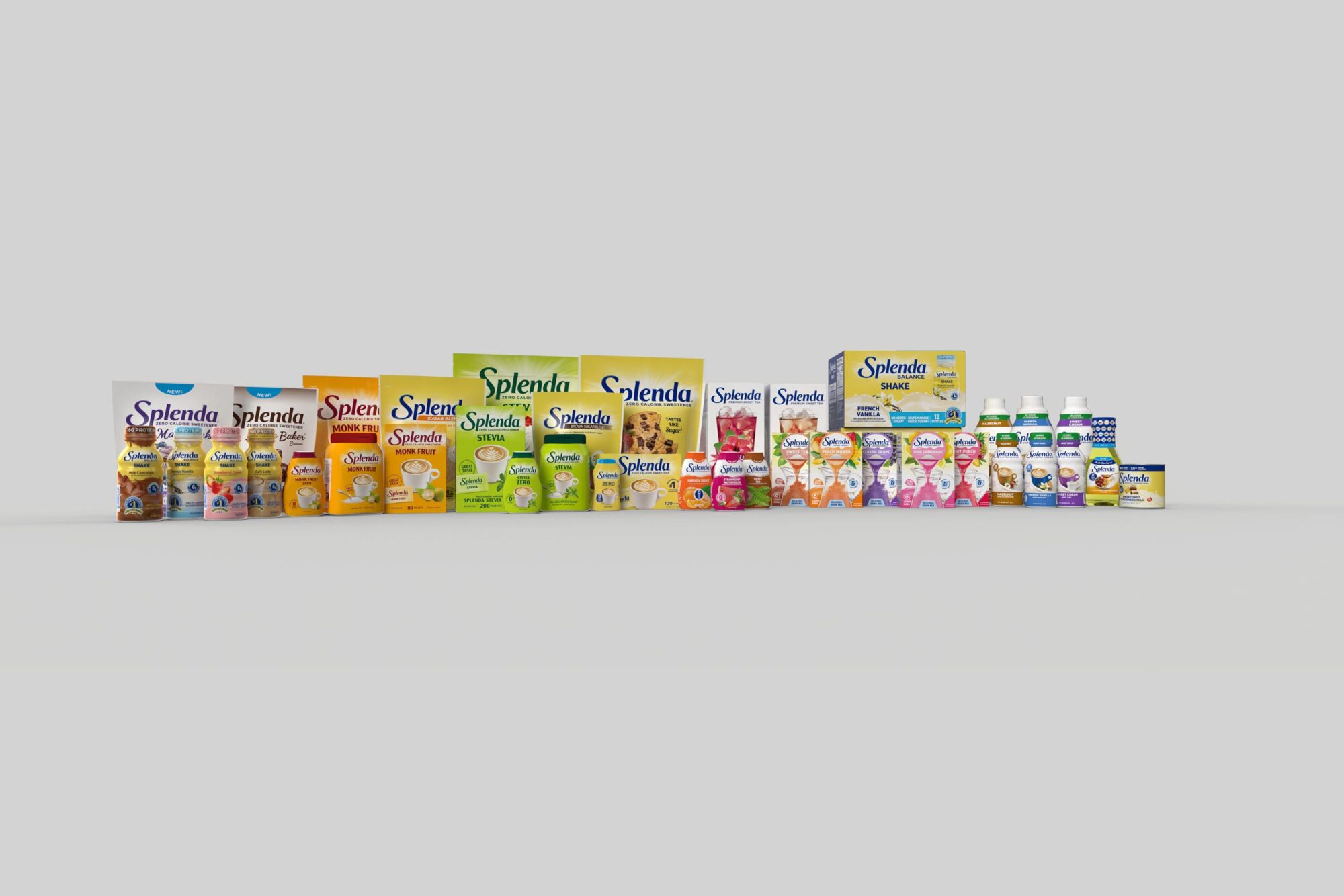
Known for its sugar-like taste and versatility, Splenda offers a range of sweetener options designed for real-life use. These include options from quick additions to beverages to an integral ingredient in your favorite desserts. In the sections ahead, we’ll explore Splenda Sweetener options, what to look for on labels, and how to choose the right products for your tastes and routines.
Overview of Splenda and Sucralose
Sucralose is the sweetening ingredient in Splenda Original Sweeteners. It’s what gives these products their familiar sugar-like taste. Because sucralose is such an intense sweetener, only a very small amount is needed to achieve the same level of sweetness as sugar.
In fact, sucralose is often described as being about 600 times sweeter than table sugar. [1] [2] And although it tastes like sugar, it offers a zero-calorie alternative. [3] This makes it a practical option for people looking to reduce sugar while keeping the taste they enjoy.
Granulated versions of some Splenda Original products include ingredients like dextrose and maltodextrin to add volume and texture to the sucralose. [4] Since only a small amount of sucralose is needed for sweetness, these ingredients help it be measured like sugar in recipes. These ingredients make it easy to swap this no-calorie alternative for sugar without changing how you cook, bake, or sweeten your beverages.
Exploring Splenda’s Stevia and Monk Fruit Products
As interest in natural ingredients grows, many shoppers are also exploring sweeteners derived from plant-based sources. Along with its original sweeteners, Splenda offers plant-based low-calorie sweeteners with its stevia and monk fruit products. These give people more ways to reduce their sugar intake based on their preferences.
Steviol glycosides are the sweet components of the stevia plant. These are the components that are extracted to provide that sugar-like taste in stevia sweeteners with little to no calories. [6] Splenda Stevia Sweeteners are made with stevia leaf extract and are designed for everyday use in beverages, cooking, and baking.
Splenda is championing U.S.-based stevia production with its Splenda Stevia Farms in Florida. There, stevia plants are grown under the careful cultivation of farmers who select plants for use in Splenda Stevia products that are consistently sweet and grown sustainably. [5]
Splenda also offers sweeteners that derive their sugar-like taste from monk fruit. This small fruit native to Southern China contains the sweet-tasting mogroside, which is extracted from monk fruit. While tasting like sugar, mogroside is known to be 100 times sweeter than sugar and offers a no-calorie alternative. [7]
Splenda Monk Fruit Sweeteners use monk fruit extract blended for easy measuring and consistent sweetness. When baking with this sweetener, it measures like sugar for a one-to-one swap in your recipes. Splenda’s Monk Fruit Sweeteners offer another plant-based alternative to match your preferences with all the sweetness you expect and zero calories.
Regulatory Approval and Safety of Low-Calorie Sweeteners
Low-calorie sweeteners used in foods go through established review processes by regulatory bodies. In the United States, the Food and Drug Administration has approved several sweeteners, including sucralose, for use in food and beverages. [8] Support for the safety of consuming sucralose is supported by more than 20 years of research and over 100 studies. [9] [10] [11]
Other organizations, such as the European Food Safety Authority (EFSA), Health Canada, and the Joint FAO/WHO Expert Committee on Food Additives (JECFA), also review ingredients and provide intake guidance. These reviews help set standards for how sweeteners are used globally. [12] [13] [14]
For people with specific dietary considerations, such as phenylketonuria (PKU), labels may include notes about ingredients like phenylalanine in certain sweeteners. For example, while Splenda sweeteners do not contain phenylalanine, it is found in the sweetener aspartame. [15]
Checking labels can help you make informed choices, along with speaking to your healthcare professionals about your personalized dietary needs. Additionally, as is important for those managing diabetes or other conditions, Splenda Brand Sweeteners do not raise blood sugar levels. [16] [17]
Practical Uses of Splenda Sweeteners in Cooking and Baking
One of the biggest advantages of Splenda is how easily it fits into everyday cooking. Whether you’re baking a weekend treat or mixing up a quick breakfast, having a sweetener that works like sugar can make a big difference in reducing calories and added sugar in your diet.
For example, Splenda Granulated Sweetener and Splenda Monk Fruit Sweetener are designed to measure cup-for-cup like sugar. These easy measuring swaps make them reliable options for many recipes. Other designs, like packets or liquid, are great for quick uses where convenience matters most.
For quick and easy conversions, here is a handy tool for converting sugar amounts in your favorite recipes to Splenda alternatives.
While Splenda is a great swap in any recipe, here are some ideas for using Splenda to make your next favorite meal, snack, or beverage.
Recipe Ideas to Try for:
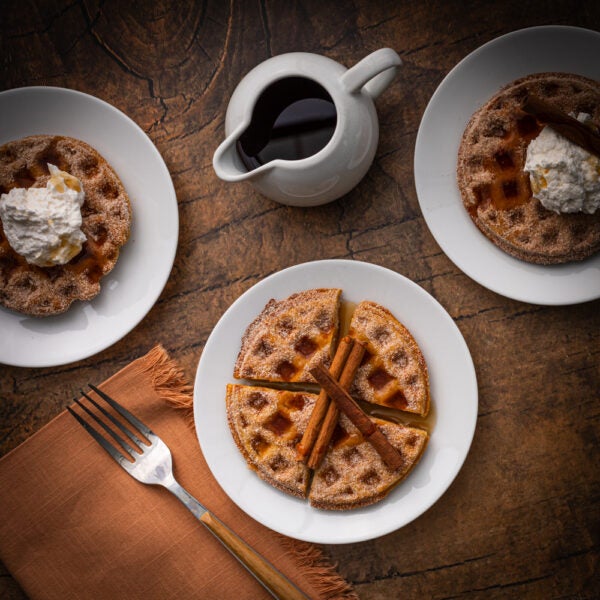
Breakfast:
Lunch & Dinner:
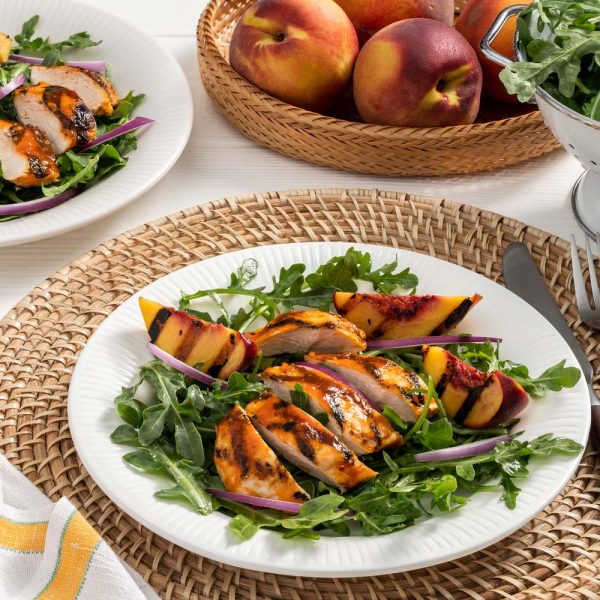
- Peach BBQ Chicken Breast
- Air Fryer Chicken Parmesan
- Black Bean Chili
- Sriracha Glazed Shrimp with Quinoa
Smoothies & Parfaits:
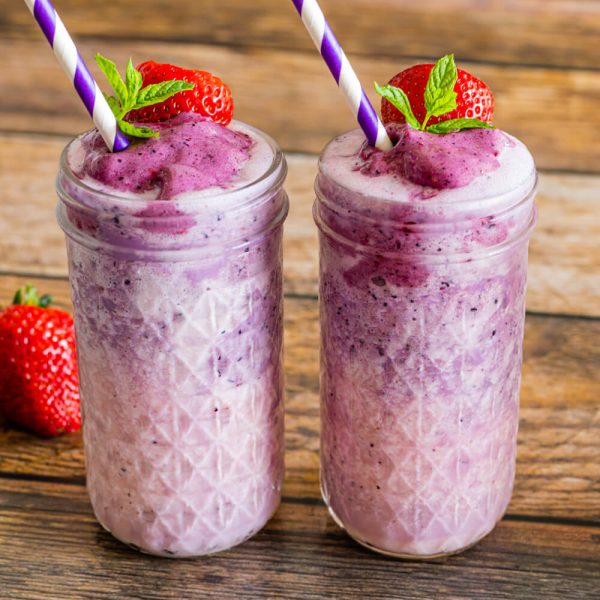
- Ombre Berry Smoothie
- High Protein Smoothie Bowl
- Chocolate Peanut Butter Cup Yogurt Parfait
- Matcha Chia Parfaits
Conclusion: Sweet Choices Made Simple
Low-calorie sweeteners offer a flexible way to enjoy sweetness while being more mindful of sugar in everyday routines. From Splenda’s sucralose-based options to plant-based choices like stevia and monk fruit, Splenda meets your tastes with sweeteners designed to fit how you cook, bake, and enjoy your favorite foods and drinks. With easy conversions, familiar taste, and options that match different preferences, Splenda Sweeteners make it simple to find a balance that works for you.
Frequently Asked Questions
What are low-calorie sweeteners?
Low-calorie sweeteners are sugar substitutes that provide sweetness with few or no calories.
Is Splenda safe to use every day?
Yes. Sucralose, the sweetening ingredient in Splenda® Original, has been reviewed by regulatory authorities, including the FDA. Its safety has been studied for over 20 years and more than 100 studies. [9] [10] [11]
Can I bake with Splenda?
Yes. Splenda products offer an alternative to sugar in baking recipes. Some even swap in cup-for-cup like sugar in many recipes. Use this conversion tool to find out the exact swap for each Splenda product for sugar in your recipes.
Is Splenda suitable for people managing blood sugar?
Many people who watch sugar or carbs choose Splenda as a swap in drinks and recipes. Splenda Sweeteners do not raise blood sugar. [16] [17] For personalized guidance, speak with a healthcare professional.
What is the difference between Splenda Original and Splenda Stevia?
Splenda Original uses sucralose, while Splenda Stevia uses stevia leaf extract blended for everyday use.
Does Splenda have calories?
Splenda Sweeteners’ calories vary by product format. Some are labeled zero calories per serving, while others may contain a small amount.
References
[1] Harvard T.H. Chan School of Public Health. Artificial Sweeteners. https://nutritionsource.hsph.harvard.edu/healthy-drinks/artificial-sweeteners/
[2] Splenda. What is Splenda® Original? https://www.splenda.com/faqs/what-is-splenda-sucralose-and-how-is-it-made/
[3] International Food Information Council. All About Sucralose. https://ific.org/resources/articles/all-about-sucralose/
[4] Splenda. Why are dextrose, maltodextrin, and erythritol used in some Splenda® Brand Sweeteners? https://www.splenda.com/faqs/why-are-dextrose-malto-dextrin-erythritol-in-some-splenda-brand-sweeteners/
[5] Splenda. Splenda Stevia Farms. https://www.splenda.com/steviafarms/
[6] Splenda. Everything You Need to Know About Stevia. https://www.splenda.com/blog/everything-you-need-to-know-about-stevia/
[7] Cleveland Clinic. Is Monk Fruit a Healthy Sweetener? https://health.clevelandclinic.org/why-you-should-use-monk-fruit-sweetener
[8] U.S. Food and Drug Administration. Aspartame and Other Sweeteners in Food. https://www.fda.gov/food/food-additives-petitions/aspartame-and-other-sweeteners-food
[9] Splenda. Safety of Splenda Brand Sweetener (Sucralose) Has Been Confirmed Repeatedly, Over 20 Years. https://www.splenda.com/blog/safety-of-splenda-brand-sweetener-sucralose-has-been-confirmed-repeatedly-over-20-years/
[10] Magnuson, B.A., et al., 2017. Critical Review of the Current Literature on the Safety of Sucralose. Food and Chemical Toxicology. https://www.sciencedirect.com/science/article/pii/S0278691517302818
[11] Splenda. Scientific Studies Summary. https://www.splenda.com/wp-content/uploads/2025/05/2025-Scientific-Summary.pdf
[12] European Food Safety Authority. Food Additives. https://www.efsa.europa.eu/en/topics/topic/food-additives
[13] Government of Canada. Sugar Substitutes. https://www.canada.ca/en/health-canada/services/food-nutrition/food-safety/food-additives/sugar-substitutes.html
[14] World Health Organization. Joint FAO/WHO Expert Committee on Food Additives (JECFA). https://www.who.int/groups/joint-fao-who-expert-committee-on-food-additives-(jecfa)/about
[15] Splenda. Do Splenda® Brand Sweeteners contain phenylalanine? https://www.splenda.com/faqs/do-splenda-brand-sweeteners-contain-phenylalanine/
[16] Splenda. What makes Splenda® Brand Sweeteners suitable for people with Diabetes? https://www.splenda.com/faqs/what-makes-splenda-brand-sweeteners-suitable-for-persons-with-diabetes/
[17] Splenda. Is Splenda® Stevia safe for people with diabetes?
https://www.splenda.com/faqs/is-splenda-stevia-safe-for-people-with-diabetes/