Everything You Need To Know About Stevia
Stevia Sweetener is Zero Calories and Great Tasting
By Brian Stanton, author of Keto Intermittent Fasting, a certified health coach, and a leading authority on the keto diet. Follow Brian’s work by visiting his website at brianjstanton.com.
Updated on September 22, 2026
Key Takeaways:
- Stevia is a zero-calorie sweetener derived from the leaves of the stevia rebaudiana plant.
- Pure stevia has a glycemic index and glycemic load of 0, making it a safe, non-glycemic sugar alternative.
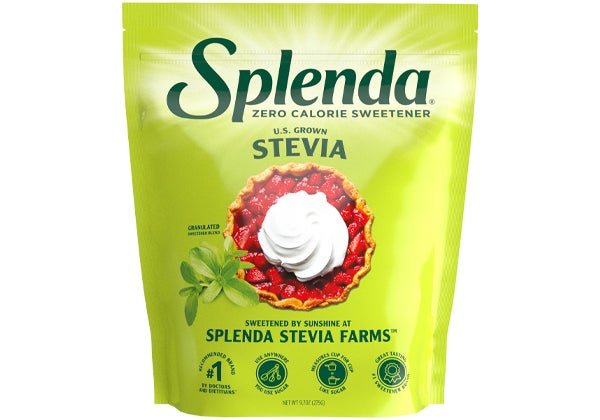
- Splenda Stevia pouch has a 1:1 conversion rate with sugar, making it an easy substitution in recipes.
- Stevia’s acceptable daily intake (ADI) is 4 mg/kg of bodyweight per day
- Pure stevia is a keto-friendly sugar alternative and isn’t metabolized by the body the same way sugar is metabolized.
- Purified steviol glycosides are generally recognized as safe (GRAS) by the FDA
If you’re cutting back on sugar but still craving sweets, you’ll want to get acquainted with stevia. This plant-based sweetener has zero calories, doesn’t raise blood sugar levels, and is perfectly suited to low-carb or keto diets.
Because of this, health-conscious folks everywhere have chosen stevia as their preferred sugar substitute. Rather than feel guilty, you’ll actually feel good about eating stevia-sweetened foods.
And why wouldn’t you? Stevia is a safe and delicious sweetener with an impressive list of potential health benefits. We’ll cover those health benefits in a second, along with fun tips and stevia recipes. First, let’s define what stevia is.
What Is Stevia?
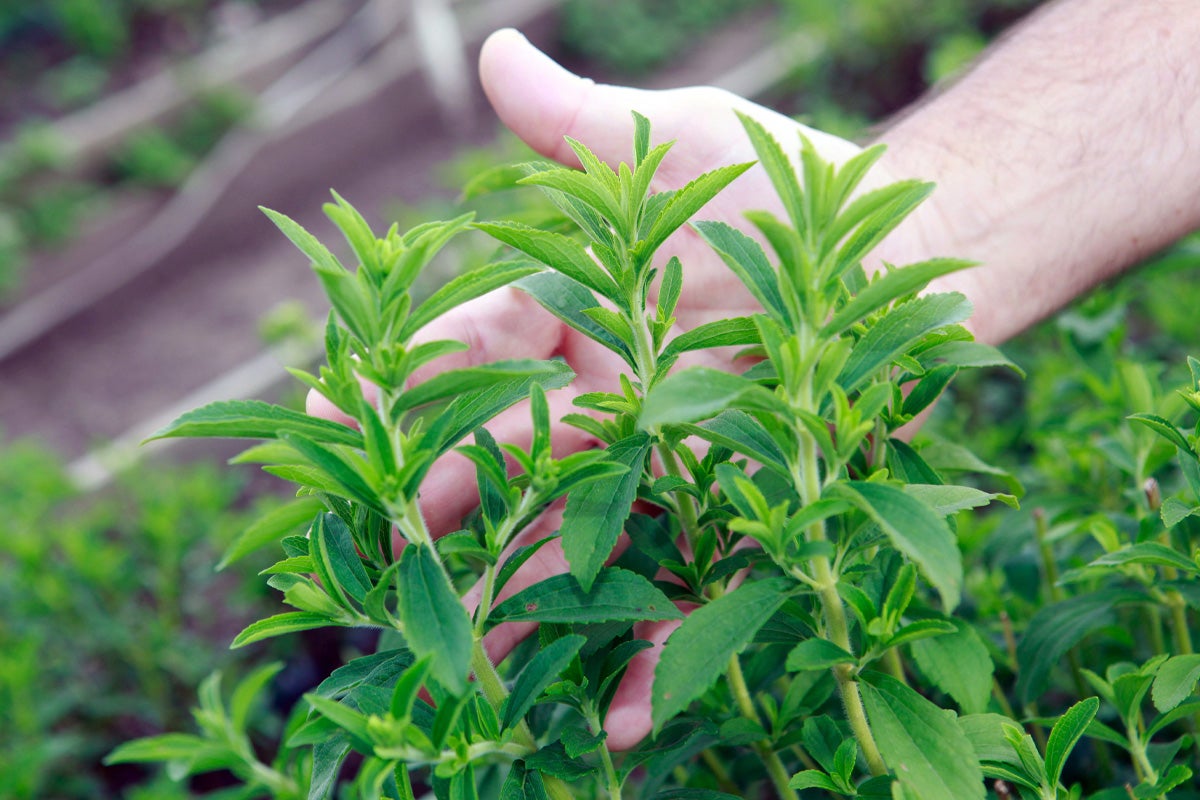
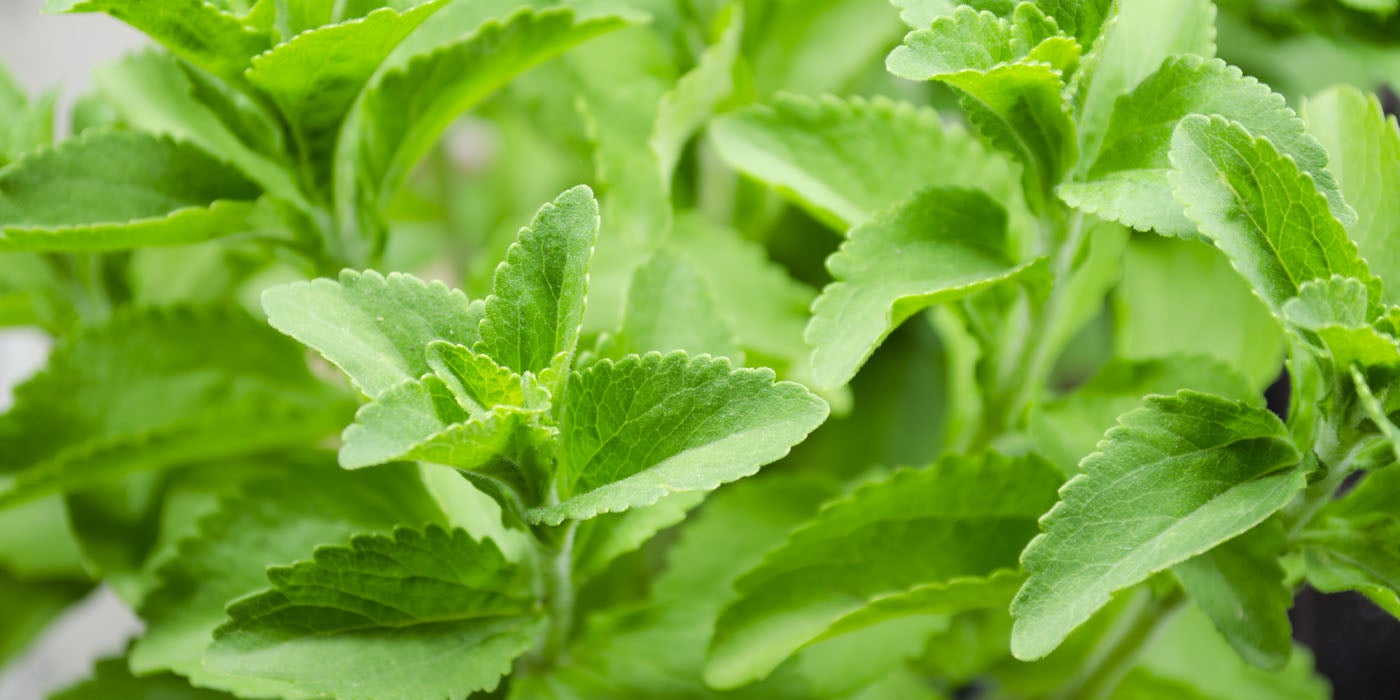
Stevia is a zero-calorie sweetener derived from the leaves of the stevia rebaudiana plant. The extract is much sweeter than sugar, but some stevia sweeteners are formulated to match sugar’s exact sweetness (bakes and measures 1-to-1 just like sugar). This makes recipe substitutions a snap.
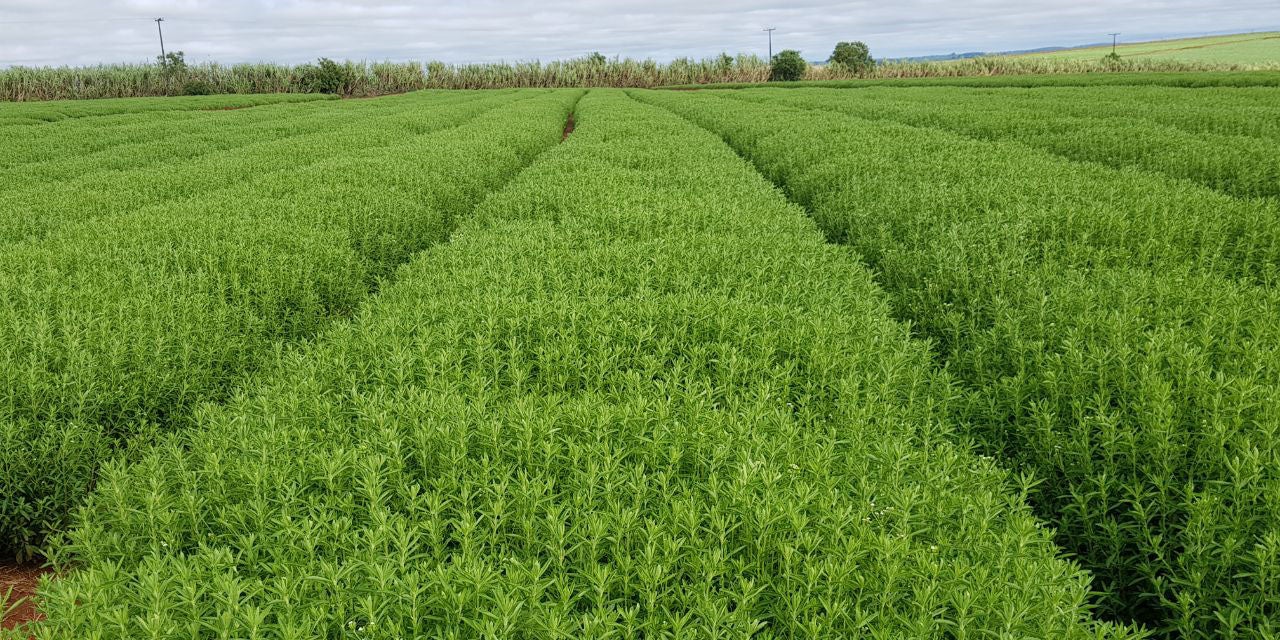
Stevia’s sweetness and health benefits stem from compounds called steviol glycosides within the stevia leaf. The most researched glycosides include:
- Stevioside
- Rebaudioside A
- Rebaudioside C
- Rebaudioside D
- Dulcoside
The glycosides are all sweet, but each have different properties. For instance, rebaudioside D (used in Splenda Stevia products) doesn’t have a bitter aftertaste—a common complaint with sweeteners made with rebaudioside A.
What Is Stevia? Quick Facts
- Stevia extract source plant: Stevia rebaudiana
- Active Compounds: Steviol glycosides, including stevioside, rebaudioside A, rebaudioside C, rebaudioside D, and dulcoside
- Relative Sweetness of Stevia: Up to 300x sweeter than sugar
- Glycemic Index of Stevia: 0
- Acceptable Daily Intake (ADI): 4 mg per 8.8 pounds of bodyweight
- Heat Stability: High
- Typical Consumer Forms: Packets, Jar, Bag, Liquid
Stevia vs. Sugar
Why choose stevia over sugar? There are several reasons.
First, you might want to reduce your consumption of empty calories. The average American consumes nearly 17 teaspoons of added sugar per day, mostly from sugar-sweetened beverages.
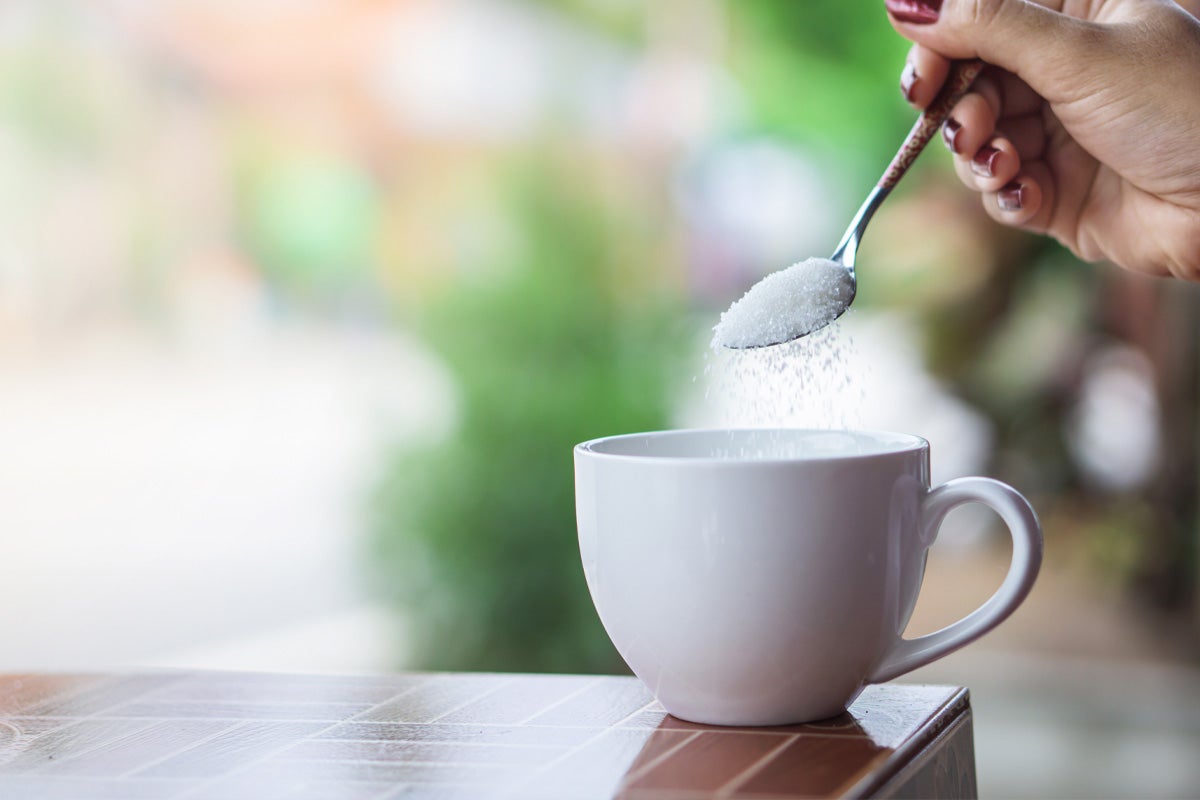
That’s over 270 calories that don’t fill you up. Reducing sugar can help with weight loss, reduce the risk of pre-diabetes, type 2 diabetes, and heart disease.
You might also be concerned about your long-term health. High-sugar intakes have been linked to increased risk of weight gain and obesity, type 2 diabetes, heart disease, and many other health conditions.
Finally, if you’re on a low-carb or keto diet, added sugar is a big no-no. Why? Because consuming refined sugar raises blood sugar and insulin levels, which in turn shuts down fat burning and ketone production.
Stevia, however, has none of these downsides. Rather, it appears to have benefits.
| Stevia | Sugar | Monk fruit | Sucralose | |
| Calories per tsp | 0 | 16 | 0 | 0 |
| Glycemic index | 0 | 65 | 0 | 0 |
| ADI per kg/day | 4mg | N/A | N/A | 5mg |
| Heat stability | High | High | High | High |
| Taste | Intensely sweet, some lingering aftertaste | Sweet | Intensely sweet, fruity or caramel notes, little aftertaste | Intensely sweet, clean taste, possible bitter, lingering aftertaste |
| Best Uses | Beverages, baking, dairy products, sauces | Beverages, baking, baking, dairy products, sauces | Beverages, baking, baking, dairy products, sauces | Beverages, baking, dairy products, sauces |
Stevia Benefits
#1: Blood sugar control
For centuries, the natives of Paraguay and Bolivia have used stevia leaves to help with the metabolic disorder called type 2 diabetes. Numerous studies have shown the benefit of steviol glycoside (stevia) as a sugar-substitute.
In a 2020 randomized controlled trial, stevia was shown to not raise blood sugar in people with type 2 diabetes.
In a 2010 study, 32 non-diabetic people were given a snack made with either table sugar or stevia prior to lunch and dinner. The test results showed that compared to the sugar group, the stevia group not only had lower blood sugar after their subsequent meals, but they also ate fewer calories overall.
#2: May help with weight loss
If you want to lose weight, it helps not to over-do the calories. Thanks to Splenda stevia’s 0 calories and 1:1 replacement ratio with sugar, it’s easy to enjoy a sweet treat without the calories.
#3: Dental health
In one study, Indian school children given a stevia mouthwash had less oral plaque and gingivitis. Sugar, by contrast, is undeniably linked to cavity formation.
Stevia Safety and Side Effects
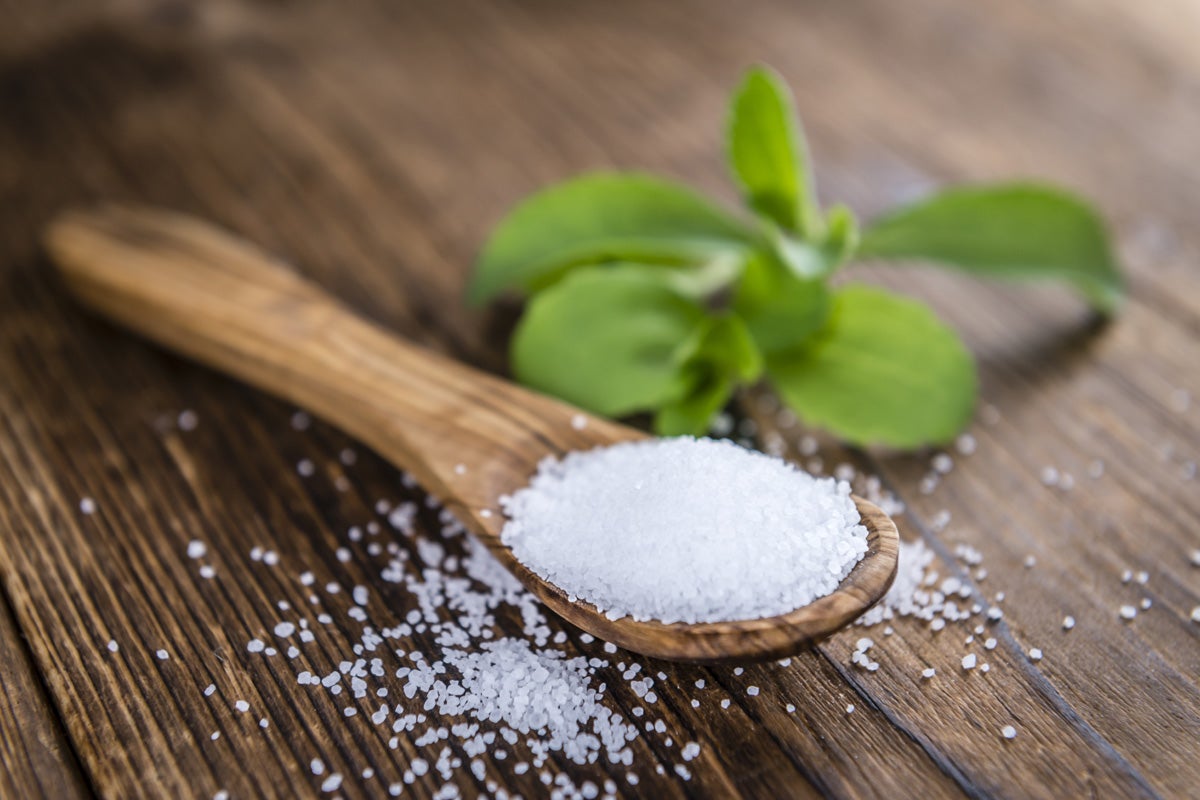
In the United States, high-purity stevia leaf extracts are generally recognized as safe (GRAS) by the FDA.
The acceptable daily intake (ADI) of stevia is 4 mg per kg bodyweight per day. ADI is a concept introduced by The Joint Food and Agriculture Organization/WHO Expert Committee on Food Additives, which established the daily dose of a substance unlikely to cause harm over a lifetime.
To hit stevia’s ADI, a 150 pound woman would need to consume 30 tabletop packets of stevia every day for the rest of her life. Most people only use a few packets per day, at most.
What about side effects? According to clinical trials, stevia sweetener appears to have none.
The bottom line is that stevia looks to be extremely safe and well-tolerated in humans.
How To Use Stevia
Stevia is an excellent sugar substitute. Use it anywhere you’d use sugar. Here are some ideas.
Stevia for Baking and Cooking

When you use stevia, you no longer have to feel guilty about making (and eating) chocolate chip cookies, banana bread, muffins, shortcakes, and whatever else Grandma handed down in the recipe book.
You also don’t need to perform tricky sugar-to-stevia conversions. Just use Splenda Stevia Granulated Sweetener for a 1:1 swap with sugar or use the Splenda Stevia Sweetener Jar for a ½ :1 swap.
Here are some stevia-sweetened recipes to get you started:
● Blueberry ricotta cake
● Low-carb chocolate chip mug cake
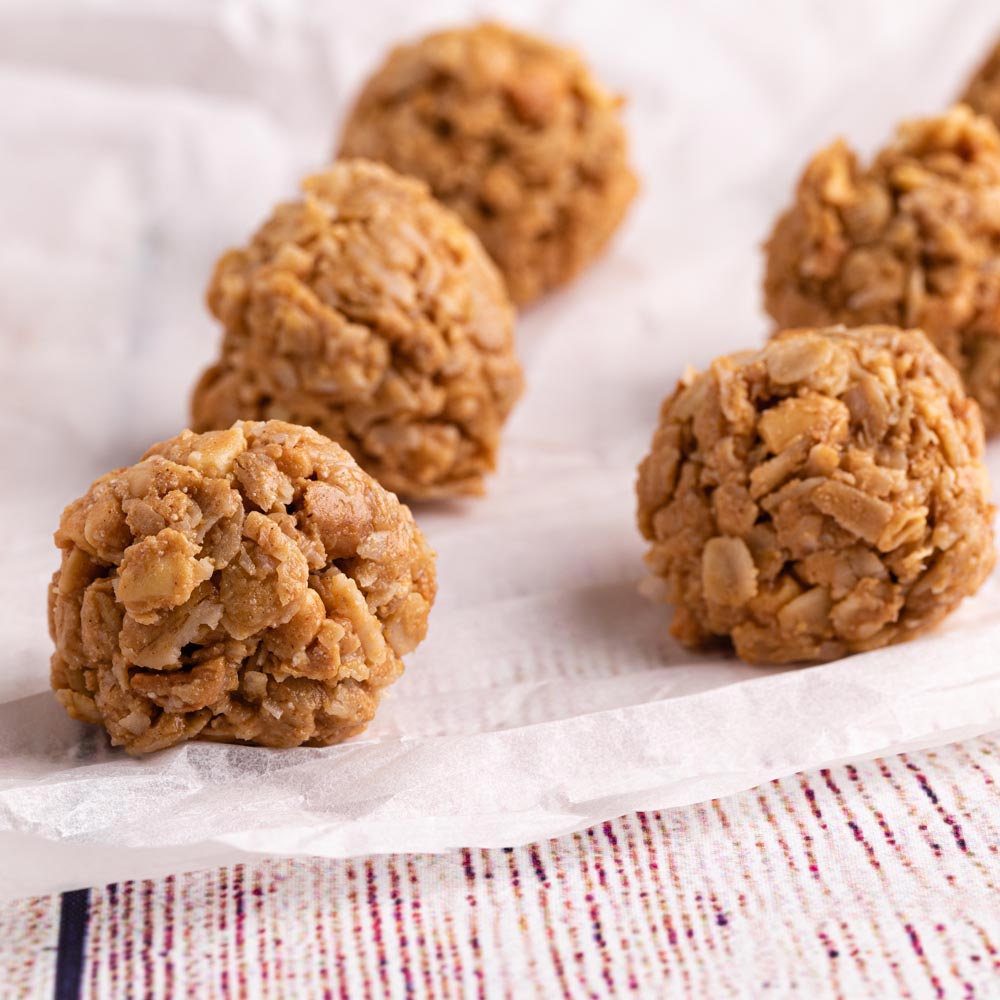
● Low sugar peanut butter energy balls
The browning effects of stevia aren’t as strong as sugar, but when blended with erythritol, can produce a more caramelized appearance.
Also note that stevia doesn’t retain moisture like sugar, so some recipes may call for additional ingredients, like applesauce or yogurt, to increase moisture in the final product.
Stevia for Drinks

In case you were wondering, Splenda Stevia dissolves perfectly into liquids. (It even comes in liquid form for instant sweetness). Use it to make:
● A sugar free margarita
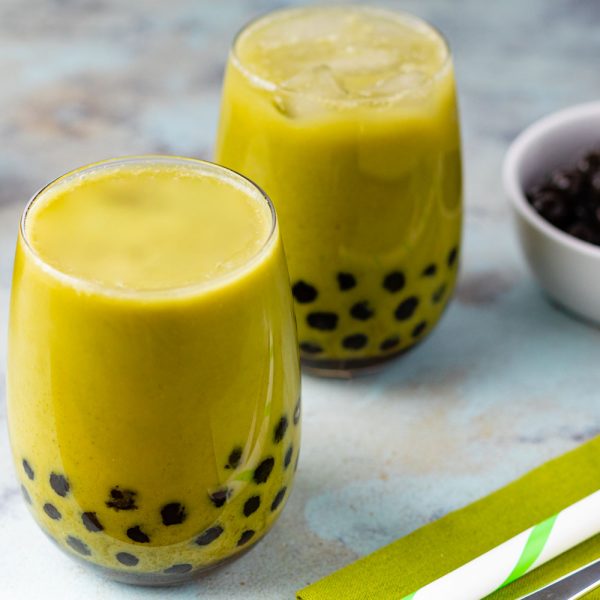
● Creamy matcha tea
● An old fashioned cocktail
● And much more
As with baking, the Stevia Pouch has a 1:1 ratio with sugar and can be used as a straightforward substitution when mixing drinks
Stevia in keto foods
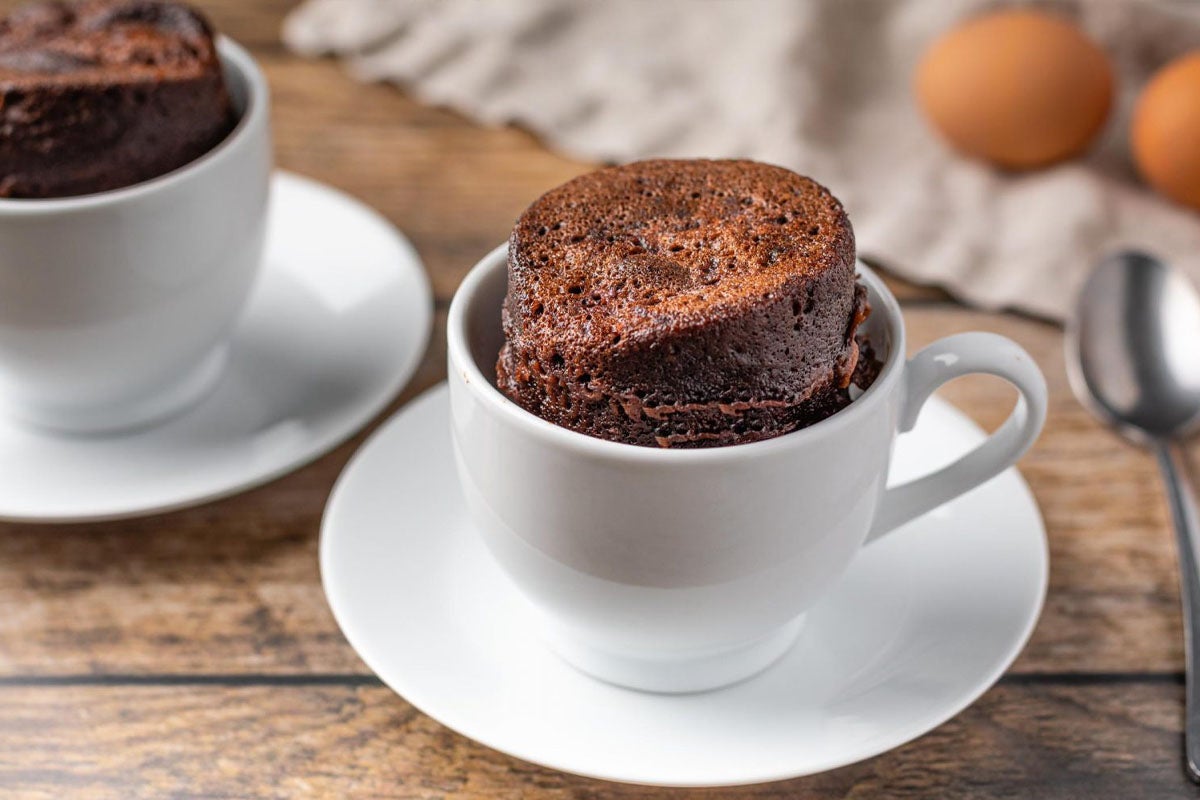
Craving treats on the keto diet? Stevia is the keto-friendly sweetener for you. Simply add Splenda Stevia Sweetener Jar to your coffee, tea, or favorite recipes for all the sweetness of sugar with none of the consequences.
Should You Use Stevia?
If you’re craving an excellent sugar substitute, stevia fits the bill. It has zero calories, plenty of sweetness, and doesn’t kick you out of ketosis.
Give stevia a try and see what you think. It might be the best decision you make all month.
FAQs About Stevia
Is stevia safe?
Yes, stevia is generally recognized as safe (GRAS) by the FDA and appears to be extremely safe and well-tolerated in humans with no reported side effects in clinical trials.
Does stevia raise blood sugar or insulin?
No, stevia does not raise blood sugar or insulin.
How much stevia can I have per day?
A safe amount of stevia to have per day is 4 mg per kg of bodyweight. A 150 lb person can safely consume 30 tabletop packets of stevia a day.
Is stevia natural or artificial?
Stevia is a natural sweetener derived from the leaves of the stevia rebaudiana plant.
Can I use stevia during pregnancy or breastfeeding?
Stevia is generally considered safe to use during pregnancy, but always consult your doctor first.
How do I bake 1:1 with stevia?
Splenda Magic Baker Sweetener contains stevia and allulose and can be used as a 1:1 swap with sugar in any recipe, while Splenda Stevia Sweetener Jar offers a ½ :1 swap ratio.
Recipes Made with Splenda Stevia

Try Splenda Stevia Sweeteners
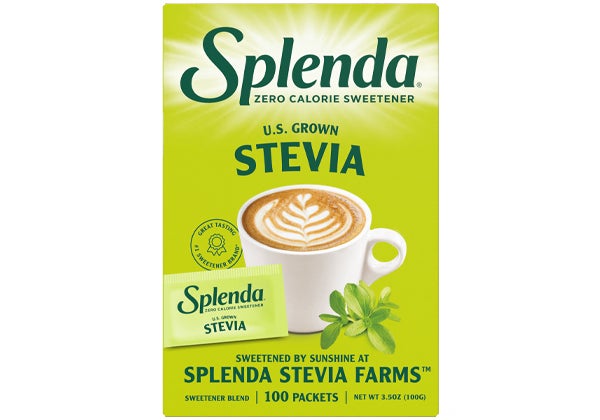
Splenda® Stevia Sweetener Packets
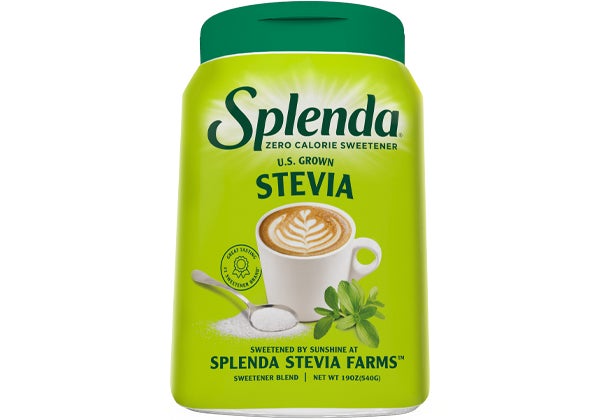
Splenda® Stevia Sweetener, 19oz Jar