Sweet Treats, Lower Calories with Splenda
June 5, 2026
Enjoying something sweet doesn’t have to mean loading up on added sugar or calories. With a few simple swaps, you can still bake, stir, and savor your favorite treats while keeping calories in check. Splenda Sweeteners offer a practical way to bring sweetness into everyday recipes without relying on traditional sugar.
From understanding how low-calorie sweeteners work to choosing the right Splenda product for your kitchen, we’ll walk through simple ways to enjoy desserts, drinks, and snacks with fewer calories.
Benefits of Using Splenda for Lowering Added Sugar
Low-calorie sweeteners are sugar substitutes that add sweetness with minimal or zero calories and are used in foods, beverages, and recipes as an alternative to sugar. [1] They are a popular choice for people who want to enjoy sweetness while being mindful of added sugar in their daily routines.
One of the biggest benefits of using Splenda is flexibility. Products like Splenda Sweetener Packets offer a quick, zero-calorie way to sweeten coffee or tea, while options like Splenda Granulated Sweetener can be measured into recipes just like sugar. If you prefer plant-based options, try Splenda Stevia or Splenda Monk Fruits Sweeteners. Depending on the format, many Splenda products provide little to no calories per serving, making them an easy swap in everyday habits.
How Splenda Helps Reduce Calories in Sweet Treats
Sucralose in Splenda Products
Sucralose is the key sweetening ingredient in many Splenda products, including Splenda Original Sweeteners. It’s a high-intensity sweetener used in very small amounts, which is why it can contribute little to no calories in typical use. [2] Swaps like Splenda Original for sugar can be a helpful tool if you are trying to cut back on added sugar and calories.
Plant-Based Splenda Products
Splenda also offers sweeteners made from plant-based sources, including stevia and monk fruit, which work a little differently but serve a similar purpose in recipes. Many Splenda Stevia and Monk Fruit products are blended with ingredients that help with measuring and texture, especially in baking, so checking the label can give you the clearest picture.
Stevia
Stevia sweeteners are made from compounds found in the leaves of the stevia plant, which are much sweeter than sugar. [3] As with sucralose, because of that intensity, only a small amount is needed to achieve the desired sweetness. That’s why products like Splenda Stevia Sweeteners can add sweetness with little to no calories per serving.
Monk fruit
Monk fruit sweeteners follow a similar idea. Monk fruit extract comes from a small green fruit that has been used for its sweetness for centuries, and the compounds responsible for its sweet taste are far more concentrated than sugar. [4] This means products like Splenda Monk Fruit Sweeteners can deliver a sweet flavor using very small amounts, also helping reduce the calories that would typically come from added sugar.
Choosing the Right Splenda Type for Your Recipes
Finding the right Splenda product can help make sure your recipe turns out just the way you like. Each sweetener’s format, from granulated options in pouches and packets to liquid sweeteners, is designed with a specific use in mind.
For example, Splenda Liquid Sweetener blends easily into drinks and smoothies, while Splenda Sugar Blend is designed to be measured like sugar. Granulated options may contain small amounts of calories due to ingredients that help with volume and texture, so it’s always helpful to check the label for details.
Here’s a quick comparison to guide your choice:
| Product Form | Best Uses | Key Consideration |
| Splenda Packets | Coffee, tea, quick sweetening | Pre-portioned and convenient |
| Splenda Granulated | Baking, cooking | Provides volume for recipes |
| Splenda Liquid | Beverages, smoothies | Blends instantly |
| Splenda Sugar Blend | Baking | Designed for 1:1 sugar replacement |
You can explore more tips in this helpful guide on baking with sugar substitutes, and make sure you have the perfect measurements with this conversion tool for swapping out sugar with any Splenda Sweetener type.
Tips for Baking and Cooking with Splenda
Baking and cooking with Splenda can feel surprisingly familiar once you understand a few simple differences from working with sugar. Sugar does more than just sweeten. It also adds moisture, bulk, and browning. With the right approach and Splenda Sweetener by your side, you can enjoy great texture, flavor, and consistency while reducing added sugar.
Whether you’re trying a new dessert or updating a family favorite, these practical tips can help you get the most out of Splenda in your kitchen.
- Start with tested recipes from Splenda’s recipe library.
Beginning with recipes designed specifically for Splenda, like those in Splenda’s recipe pages, to help take the guesswork out of baking. These recipes are already balanced for sweetness, texture, and bake time, so you can focus on enjoying the process and results. - Plan for texture and moisture.
Sugar contributes to softness and moisture in baked goods, so when you reduce it, small additions can help maintain that balance. Ingredients like applesauce, yogurt, or mashed banana can add moisture and create a tender texture, especially in cakes, muffins, and brownies. - Watch browning during baking.
Recipes made with sugar substitutes may brown differently in the oven. Keep an eye on your bake, and if it starts to brown too quickly, try lowering the oven temperature slightly or shortening the baking time to avoid overbaking. - Choose the right product for the job.
Different Splenda formats serve different purposes. For example, Splenda Granulated Sweetener works well in baking where you need volume, while Splenda Liquid Sweetener is ideal for drinks and sauces because it blends easily. - Layer flavor with whole-food ingredients.
When you reduce added sugar, other flavors can really shine. Ingredients like fresh fruit, cocoa powder, vanilla extract, nuts, and warm spices help create desserts that taste rich and satisfying without relying entirely on sugar. - Check labels and measure carefully.
Each Splenda product is a little different, especially when it comes to measuring and calorie content. Taking a quick look at the Nutrition Facts panel and following the recommended conversions can help ensure your recipe turns out as intended.
These simple steps can make baking with Splenda feel approachable, even if you’re trying it for the first time. And now that you’ve got the basics down, let’s bring it all to life with some delicious, lower-calorie recipes.
Popular Low-Calorie Recipes with Splenda
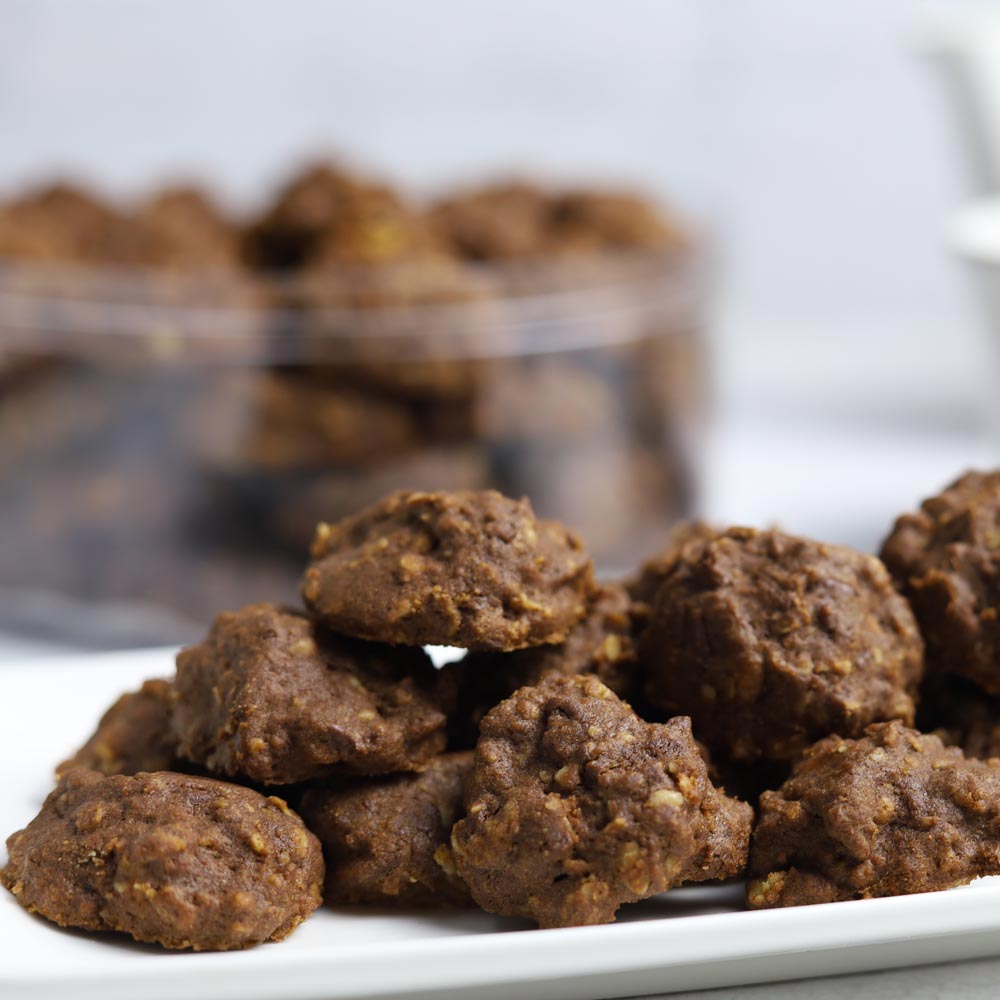
1. Chocolate Oatmeal Cookies
These cookies combine hearty oats with rich cocoa for a comforting treat that feels both satisfying and balanced. Using Splenda Sugar Blend helps reduce added sugar while keeping that classic cookie flavor.
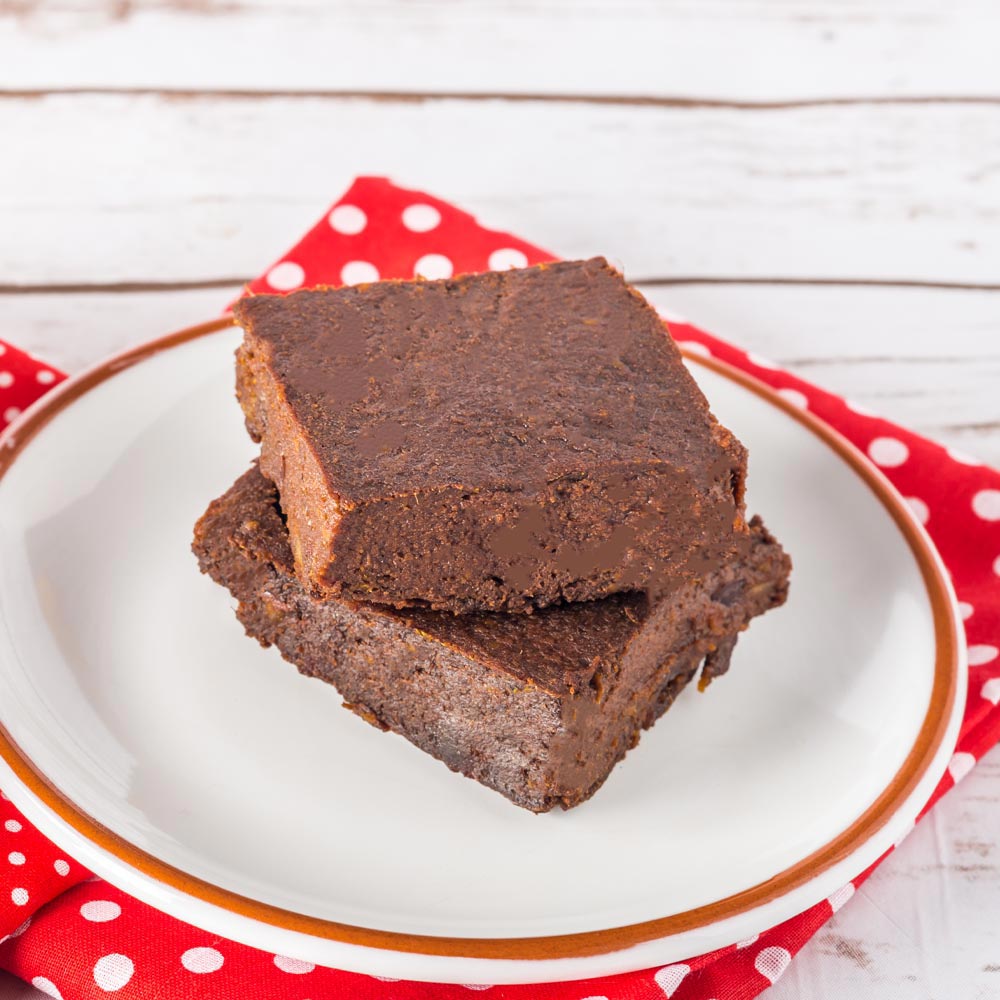
2. Sweet Potato Brownies
Sweet potatoes add natural moisture and a soft texture, making these brownies feel rich without relying fully on sugar. Splenda Granulated Sweetener helps replace added sugar while cocoa and vanilla build deep flavor.
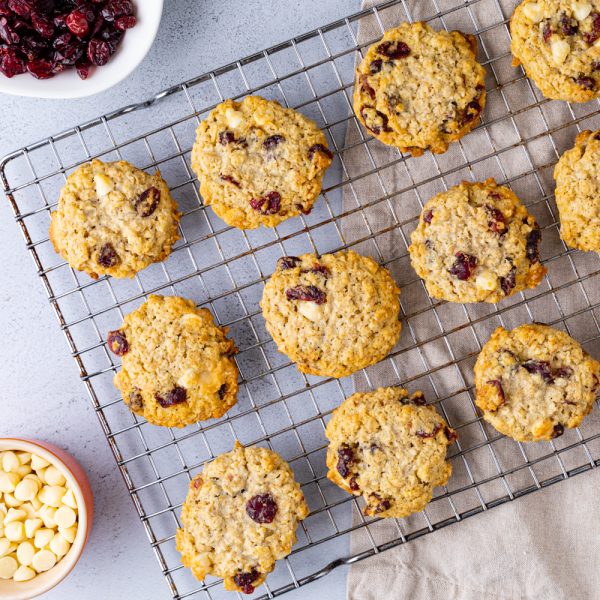
3. Cranberry White Chocolate Cookies
Tart cranberries and creamy white chocolate create a bold flavor combination. Splenda Monk Fruit Sweetener replaces the sugar base, helping reduce added sugar while the mix-ins do the heavy lifting.
4. Cookie Dough Truffles
These no-bake treats are simple to make and perfect for a quick sweet fix. Splenda Granulated Sweetener adds sweetness without relying on a full amount of sugar.
5. Coconut Date Nut Balls
Dates and coconut bring natural sweetness and chewy texture to this snack-style treat. Splenda Granulated Sweetener helps round out the flavor while reducing added sugar.
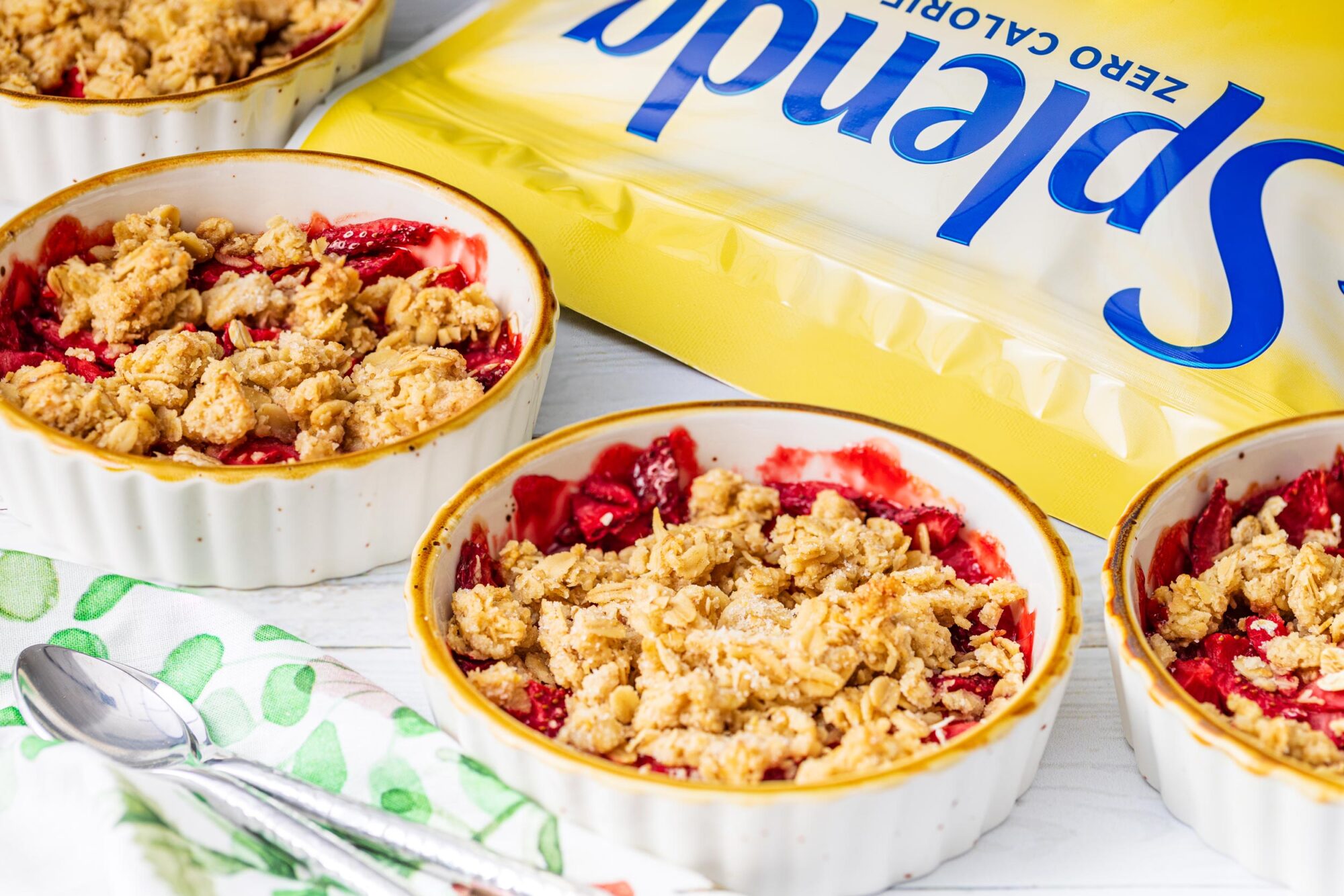
6. Summer Strawberry Crisp
Fresh strawberries provide most of the sweetness in this easy dessert. Using Splenda Granulated Sweetener in the topping helps lighten the recipe while keeping it crisp and flavorful.
Sweet Simplicity: Enjoying Treats with Less Sugar
Enjoying the foods you love and being mindful of added sugar can go hand in hand. With the right ingredients and a few thoughtful swaps, it’s possible to keep the sweetness, flavor, and comfort of your favorite recipes while dialing back on sugar and calories. Splenda fits into real-life routines, making everyday moments like baking, stirring, and sharing dessert feel just as enjoyable.
Frequently Asked Questions
Is Splenda truly zero-calorie and how does it compare to sugar in recipes?
While Splenda products are zero- or low-calorie, they are not all identical. Liquid and packet options are commonly used for near-zero-calorie sweetness, while granulated options may include small calories due to ingredients used for texture. Always check the label for details.
Which Splenda product is best for diabetes or keto diets?
Many people who track carbs choose packets or liquid formats because they are easy to portion. Nutrition needs vary, so reviewing labels and speaking with a healthcare professional can help guide choices.
How does Splenda affect blood sugar and digestion?
Splenda is used as a sugar substitute to sweeten foods and drinks with little or no calories, depending on the format. For personal dietary questions, a registered dietitian can provide guidance.
Can all Splenda products be used interchangeably in baking?
Not always. Different formats perform differently, so it’s best to follow recipes designed for the specific product you are using. For more information, this guide on baking with sugar substitutes, and consult Splenda’s conversion tool for swaps to reduce added sugar in your recipes.
How can I balance sweetener intake while enjoying low-calorie treats?
Focus on overall balance. Use Splenda to reduce added sugar, combine it with flavorful ingredients, and enjoy treats with reduced calories per serving.
References
[1] Johns Hopkins Medicine. Facts about Sugar and Sugar Substitutes. https://www.hopkinsmedicine.org/health/wellness-and-prevention/facts-about-sugar-and-sugar-substitutes
[2] International Food Information Council. Everything You Need to Know about Sucralose. https://ific.org/insights/everything-you-need-to-know-about-sucralose
[3] Priscilla, S., et al, 2017. Stevia Leaf to Stevia Sweetener: Exploring Its Science, Benefits, and Future Potential. The Journal of Nutrition. http://sciencedirect.com/science/article/pii/S0022316622163650
[4] Yeung, A.W.K., 2023. Bibliometric analysis on the literature of monk fruit extract and mogrosides as sweeteners. Frontiers in Nutrition. https://pmc.ncbi.nlm.nih.gov/articles/PMC10495570/