Practical Sugar Reduction Tips for Everyday Meals and Snacks
September 14, 2026
Making practical changes to cut back on added sugar means you don’t have to give up the foods and drinks you enjoy. Small swaps, such as choosing plain foods more often, checking the Added Sugar line on nutrition labels, and using low-calorie sweeteners from Splenda®, can make sugar reduction feel more manageable. Building health-conscious eating and drinking habits that fit your everyday routine is the best way to reach your goal.
As you choose to cut back on added sugar, Splenda® is a helpful companion in your kitchen and on-the-go. Splenda® offers a range of sweetener formats so that you keep the sweetness you enjoy while reducing added sugar from your day-to-day.
Think of this guide as a collection of seven simple ideas you can mix and match. You can start with one or two changes, see what works, and gradually build a routine that’s right for you.
1. Start with Whole, Minimally Processed Foods
Added sugars are sugars and syrups introduced during food processing or preparation. They can be found in many packaged foods, condiments, desserts, and beverages. [1] While packaged food does not automatically signal that food is high in added sugar, it’s best to get in the habit of checking for added sugars in these and other foods.
Choosing whole and minimally processed foods is a good place to begin reducing added sugar. Start by building meals around foods that offer more of the ingredients you recognize in their natural state, such as eggs, beans, vegetables, fruit, nuts, and whole grains.
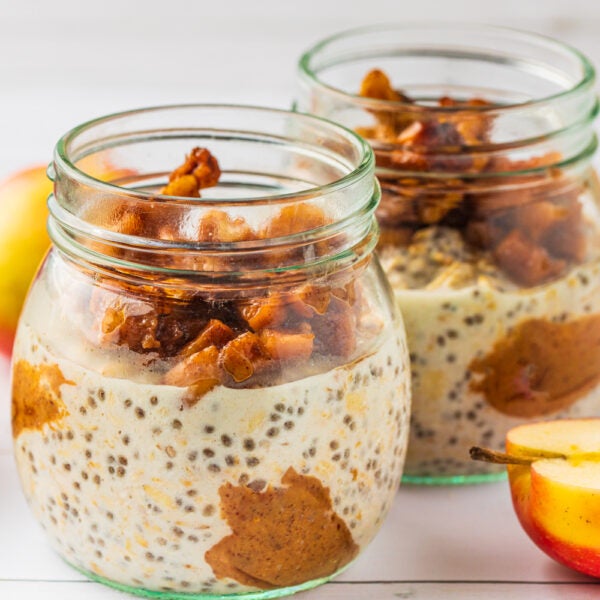
A helpful checklist is to include a protein food at meals, choose unsweetened dairy when available, add fruits or vegetables, and opt for more whole grains. Recipes from Splenda® with reduced sugar and whole, minimally processed foods like a Mashed Sweet Potato Breakfast Bowl, Oat Bran Pancakes, and Apple Pie Overnight Oats are a delicious way to get started.
2. Make Simple Swaps for Beverages
Beverages can be another place to start cutting back on added sugar. Even just one daily consumed drink, like sugar-sweetened coffee in the morning or a soda with lunch, can add a noticeable amount of sugar each day. To reduce added sugar in your diet, instead of changing everything at once, you can try a lower-sugar beverage swap that sounds appealing to you.
| Instead of… | Try… |
| Regular soda or cola | Sparkling water with lemon or lime |
| Sweetened iced tea | Unsweetened iced tea, with a dash of Splenda® Granulated Sweetener |
| A sweetened coffee drink | Coffee with a splash of milk and a Splenda® Sweetener Packet |
| A sugar-sweetened energy drink | Water, unsweetened tea, or another lower-sugar option |
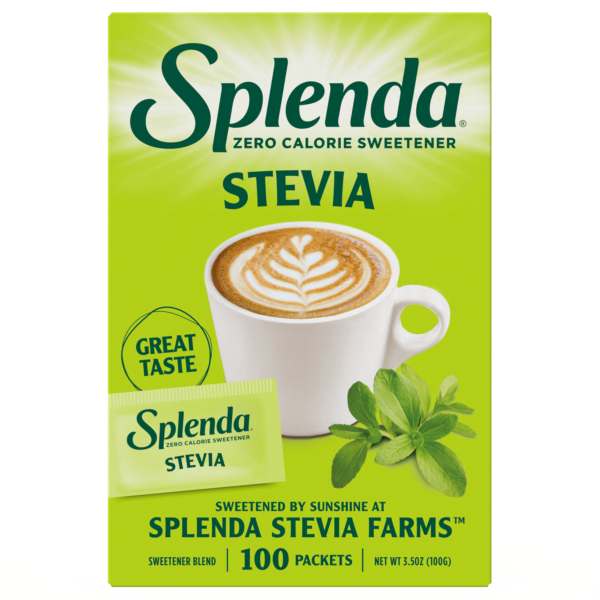
When you’re on-the-go, try Splenda® Sweetener Packets designed for beverages and single-serving uses, or Splenda® Liquid Sweetener for a portable squeeze of sweetness in hot or cold drinks. If you like plant-based sweeteners, consider Splenda® Stevia Sweetener Packets and Splenda® Monk Fruit Sweetener Packets as convenient options for individual cups of coffee or tea, or other places you’d like a little more sweetness in your life without added sugar or calories.
3. Sweeten Meals and Snacks Naturally
Fresh or frozen fruit can bring sweetness to everyday foods without requiring added table sugar. Try stirring berries or a sliced banana into plain oatmeal or unsweetened yogurt, blending frozen fruit into a smoothie, or adding fruit to water for a fresh flavor boost.
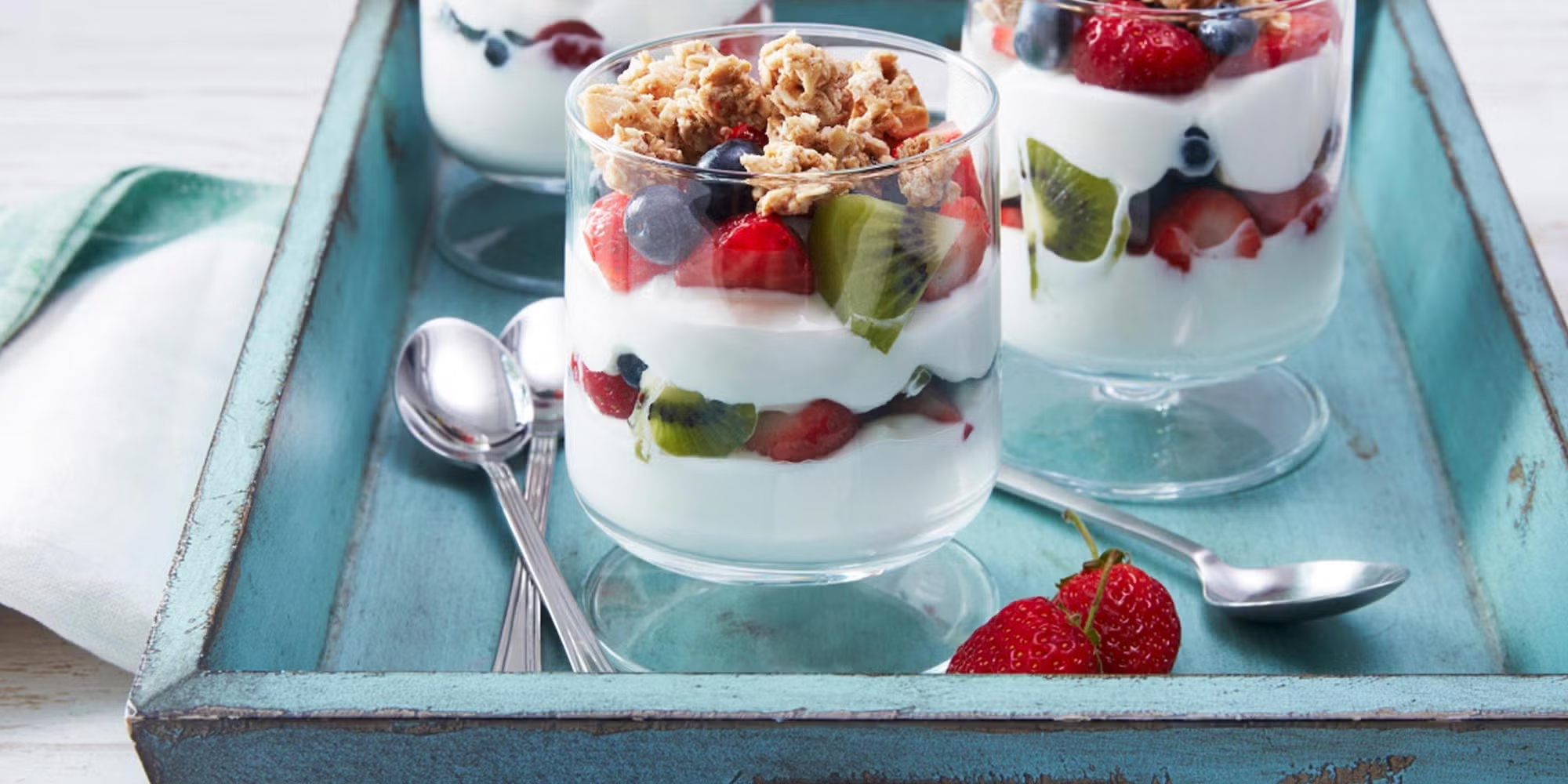
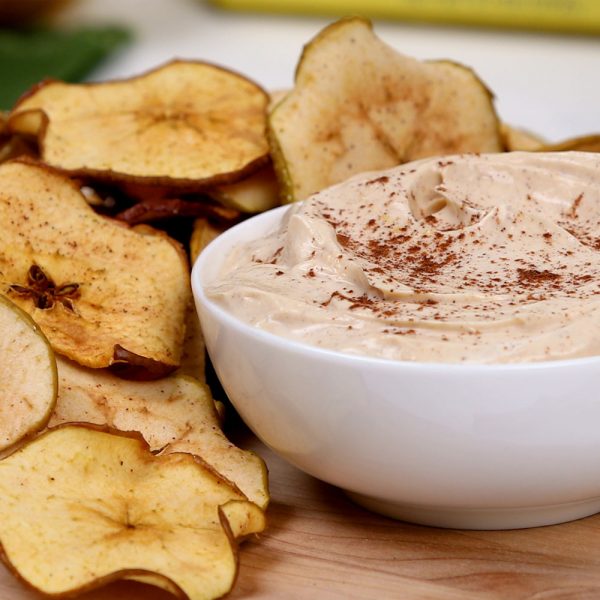
Spices and extracts can also make a food taste more flavorful without adding table sugar, so experiment with cinnamon, nutmeg, vanilla, almond extract, or ginger. Starting with plain yogurt or unflavored oatmeal lets you control how much sweetness you want to add with options like fruit and your favorite Splenda® sweetener features in recipes like Cinnamon Apple Chips with Peanut Butter Yogurt Dip and Mixed Berry Yogurt Parfait.
4. Use Low- and No-Calorie Sweeteners Effectively
Low- and no-calorie sweeteners are sugar substitutes that provide sweetness with few or zero calories per serving. [2] Depending on the product, they can be used in beverages, foods, cooking, or baking in place of some or all of the sugar, making them one practical option within a broader routine for reducing added sugar.
The key is choosing the sweetener that matches the job, including your tastes and the format you prefer for that food or drink. Splenda® Sweetener Packets provide zero-calorie sweetness for coffee, tea, oatmeal, fruit, and other uses on-the-go, while Splenda® Granulated Sweetener measures cup-for-cup like sugar and is designed for beverages. For sweetener options that are derived from plants, reach for Splenda® Stevia Sweetener or Splenda® Monk Fruit Sweetener offer additional sweetener options in packet, pouches, liquid form, and jars.
Splenda® Sugar Blend and Splenda® Brown Sugar Blend are different from zero-calorie sweeteners because they contain sugar along with Splenda® Sweetener. Each is designed to be used at a 2:1 ratio, meaning you use one-half cup of the blend in place of one cup of sugar. These blends provide half the calories and sugar of the equivalent amount of added sugar, and give bakes the same boosts of browning, moisture and other qualities sugar can bring.
5. Control Portions and Snack Smartly
Portion size matters, including the portions of condiments you use with meals. Keep an eye on the portion size listed on the packaged food and condiments you eat, as the added sugar will increase as you go over that amount, even without noticing. Another practical tip to control portions is to put the amount you plan to eat on a plate rather than eating directly from the package.
For snacks, try keeping options such as celery, carrots, cucumbers, fresh fruit, nuts, seeds, plain popcorn, or protein-rich roasted chickpeas available when you want to reach for something between meals. You can find recipes such as Roasted BBQ Chickpeas, No-Bake Protein Balls, Sweet and Spicy Snack Mix, and other great low-sugar snack options from Splenda’s recipe pages.
6. Read Labels to Identify Hidden Sugars
“Hidden sugars” is a phrase for added sugars that may appear in foods or drinks where consumers do not always expect them, including some pasta sauces, salad dressings, breads, flavored yogurts, cereals, and lower-fat products. [3] For the true amount of added sugar in a food or beverage, look to its Nutrition Facts label. Under the bolded line “Total Sugars” which includes added and naturally occurring sugars in the product, you’ll find the “Added Sugars” line which will tell you specifically the amount of sugars added to the product.
You can also scan the ingredient list for common sugar names such as sugar, cane sugar, corn syrup, fructose and glucose. Ingredients are generally listed by weight from greatest to least, so the ingredient list can give you another useful way to compare products. Front-of-package phrases such as “all-natural” or “low-fat” can provide information about a product, but they should not replace checking the Nutrition Facts panel and ingredient list when looking to reduce added sugar in your diet.
| Compare This Product | With This Option |
| Flavored yogurt | Plain yogurt with fruit or a preferred sweetener |
| Sweetened oatmeal packet | Plain oats customized at home |
| Sweetened granola | A lower-added-sugar granola or nuts and seeds |
| Pasta sauce with added sugar | A sauce with less or no added sugar |
| Sweetened iced tea | Unsweetened iced tea, with Splenda® Sweetener Packet to sweeten to taste |
7. Adopt Gradual and Sustainable Habit Changes
Reducing sugar can be approached one swap at a time for gradual and lasting changes. Remember you don’t need to change every meal at once to make a different choice. Choose one step at a time, for example, by testing a Splenda® recipe one night, experimenting with unsweetened base foods another, and getting into the habit of comparing labels on your next trip to the grocery store.
The goal is not to remove every sweet food from your life, but to give yourself more ways to decide where sweetness fits. Choose one small swap to try this week, then build from there. See what swaps work best for you so that you can stick to them.
Conclusion: Making Sugar Reduction Work for You
Reducing added sugar can be as simple as making a few practical changes that fit the way you already eat and drink. Build meals around whole and minimally processed foods, choose beverages with less added sugar, and use fruits, spices and sugar substitutes to bring flavor to everyday foods. Start building the habits of comparing Nutrition Facts labels and paying attention to portions.
Splenda® can be a practical and sweet step toward your goal of reducing added sugar in your diet. Whether you prefer a packet in your coffee, a granulated sweetener for a recipe, or both, give yourself room to experiment with new swaps and habits as you reduce sugar. Choose one small swap at a time, and watch those choices become the foundation for sustainable habits.
Frequently Asked Questions
Where is hidden sugar most likely to appear in everyday foods?
Added sugar may appear in foods such as pasta sauces, salad dressings, condiments, breads, and other products where you may not expect them, although not every product in these categories contains added sugar. Check the serving size, ingredients, and the “Added Sugars” line on the Nutrition Facts label to see what is actually in the product.
How can I reduce sugar in recipes without losing flavor?
Start with a tested lower-sugar recipe or swap table sugar for your favorite Splenda® sweetener. Follow the conversion instructions for the specific Splenda® product on the package or with Splenda’s handy online tool. Fruit, spices, and extracts can also add sweetness and flavor.
What are good natural alternatives to sugar for sweetening foods?
Fresh or frozen fruit can add sweetness to foods such as oatmeal, yogurt, and smoothies, while cinnamon, nutmeg, ginger, vanilla extract, and almond extract can add flavor. Honey, maple syrup, and agave are still forms of sugar, so replacing table sugar with one of these ingredients does not automatically reduce total sugar. For plant-based sugar alternatives, try Splenda® Stevia Sweetener or Splenda® Monk Fruit Sweetener.
How can I break the habit of craving sugary foods?
Gradual swaps can lead to lasting changes. Try gradually reducing sweetness in coffee or tea, keeping alternatives to snacks high in added sugar within reach, like nuts, whole grains, and fresh fruits, and choosing unsweetened base foods that you can customize with sugar alternatives like Splenda® and fruit.
Should I cut back on sugar gradually or quit completely?
A gradual approach may feel more manageable for many people, especially when you are changing a familiar routine such as coffee, tea, or an afternoon snack. There is no one approach that works best for everyone, so choose a strategy that fits your preferences and guidance from your healthcare professional.
References
[1] U.S. Food and Drug Administration. Added Sugars on the Nutrition Facts Label. https://www.fda.gov/food/nutrition-facts-label/added-sugars-nutrition-facts-label
[2] Johns Hopkins Medicine. Facts about Sugar and Sugar Substitutes. https://www.hopkinsmedicine.org/health/wellness-and-prevention/facts-about-sugar-and-sugar-substitutes
[3] U.S. Centers for Disease Control and Prevention. Spotting Hidden Sugars in Everyday Foods. https://www.cdc.gov/diabetes/healthy-eating/spotting-hidden-sugars-in-everyday-foods.html
Explore Our Recipes


Try Splenda® Sweeteners
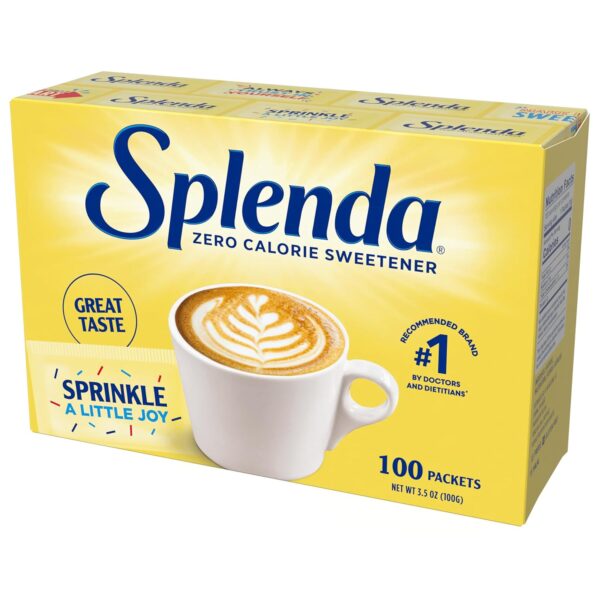
Splenda® Sweetener Packets
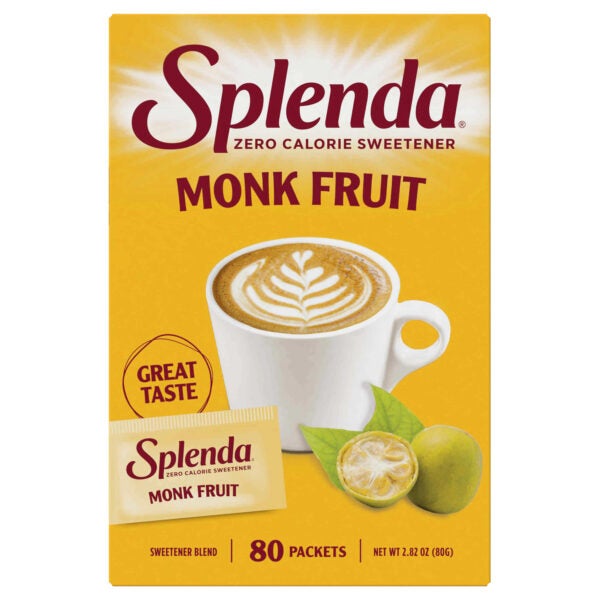
Splenda® Monk Fruit Sweetener Packets